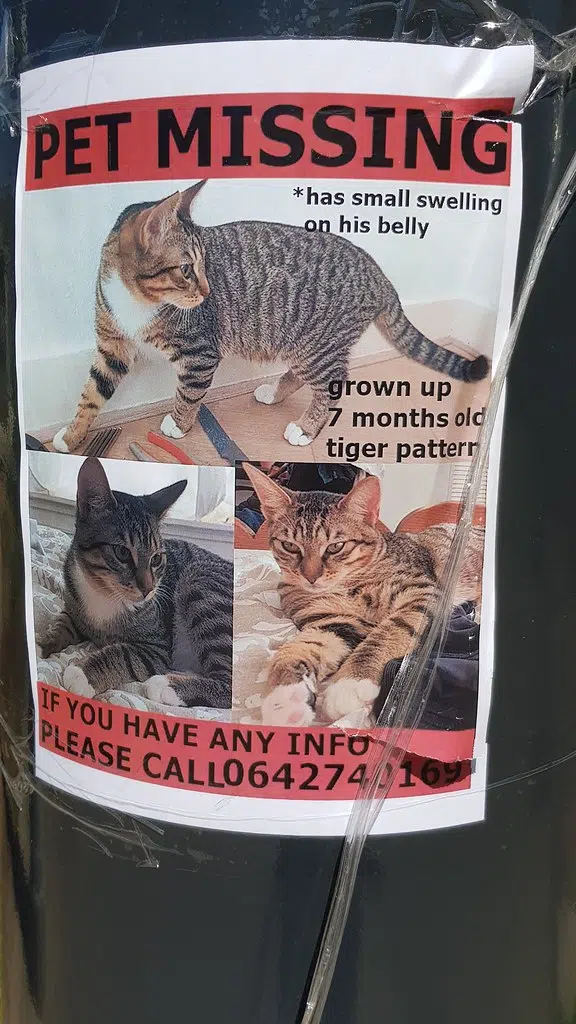
GREEN BAY, WI (WTAQ) – Posting on social media is a great way to alert a wide range of people about a lost pet. Unfortunately, that same publicity can put you at risk for scams.
“This is really the lowest of lows,” said Susan Bach of the Better Business Bureau. “People that have lost a pet, naturally it’s a very harrowing time for them. It’s losing a family member.”
If your pet disappears, the instinctual response is to get the message and photo of Fido to as many people as possible. But Bach says con artists have been trolling such posts and demanding money.
“They reach out to the owner and claim they have the lost pet, and then start trying to get money from them,” Bach said. “See if you can get a photo of the pet in question to make sure that it is your pet and they really do have it. But know the warning signs and red flags of a scam.”
You ask them to describe your pet and/or send a photo, but the conversation quickly takes a strange turn. The scammer will give excuses, such as being out of town or not having a working smartphone, for why they can’t snap a photo. Instead, the person will pressure you for money (or a gift card) to return your pet.
“Never wire money or use a prepaid debit card to send money to somebody you don’t know or have never met. And this is the [mode of operating] for these scammers,” Bach said. “Don’t put too much information about your pet’s unique physical attributes. You really want to make sure you have enough information kept to yourself that you would be able to identify that pet.”
In other cases, the pet has actually been stolen, and the scammer will ask for payment for the safe return– or they may try to sell your pet online to another person.
“Call the police. If your pet is stolen, you’ll definitely want to alert the police. But the police may also be able to help if you have a lost pet as well,” Bach said.
She also recommended taking precautions to ease the process of tracking down a runaway pet.
“Have your pets microchipped. Make sure that they have an ID tag so that if this ever happens to you, someone who turns them in can identify them through that microchip,” Bach said.
You can learn more about the scam and how to report it at BBB.org.